One of the most frustrating experiences in health is knowing something feels off but not having clear answers. Many people live with fatigue that never fully resolves, pain that seems to move around the body, brain fog, skin issues, food sensitivities, or reactions to things like smells and chemicals. Often they have already seen multiple doctors, had bloodwork, imaging, and specialist evaluations. Yet they are still told everything looks normal. That can leave people feeling confused, discouraged, and often questioning themselves.
The problem is that normal testing does not always mean the body is functioning well. A lot of people begin to wonder if it is just stress, if they are overreacting, or if this is simply what aging feels like. But often there is a deeper pattern underneath it all, and one of the most common threads is chronic inflammation.
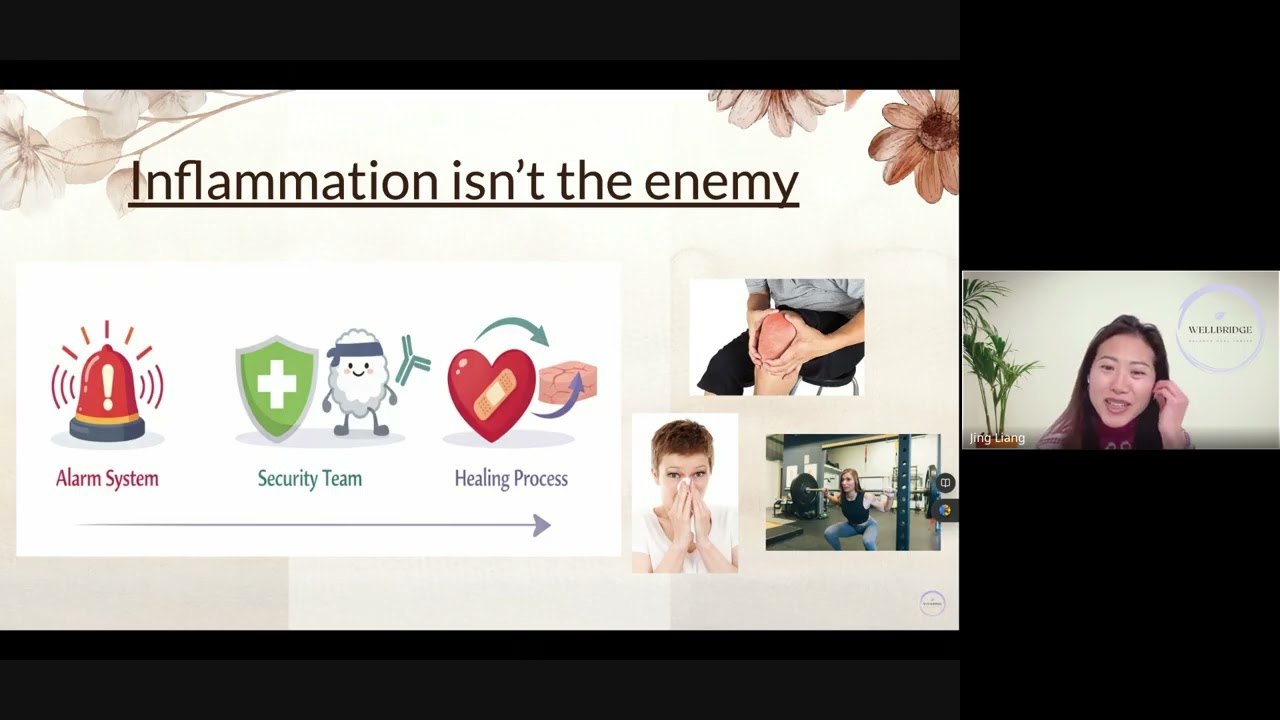
Inflammation itself is not a bad thing. In fact, it is one of the body’s most important protective systems. If you cut your hand, the redness, swelling, and tenderness are all signs that the body is doing exactly what it is supposed to do. It increases blood flow, sends nutrients, and recruits immune cells to help repair the tissue. The same thing happens when you get the flu. Your immune system shifts into action, and the body redirects energy toward healing. Even after exercise, some inflammation is necessary because it helps muscles repair and rebuild.
The issue is not inflammation. The issue is when the body has trouble turning it off.
A healthy body should be able to respond to stress, injury, or infection and then return to baseline. But sometimes that process gets interrupted. Instead of shutting down after the threat is handled, the body stays in a low-grade reactive state. It keeps sending signals that something is wrong, even when the original trigger may be gone or no longer obvious.
I often explain this like a smoke detector. If it keeps going off, there may not be a visible fire in the room, but there may be a small spark hidden behind the wall. You cannot see it, but the system senses it. That is often how chronic inflammation works. Something is continuing to drive the signal, but it is not always easy to identify.
This is one reason why standard testing can miss it. Most lab tests are designed to detect disease. They are very good at finding major infections, autoimmune flares, organ dysfunction, or structural problems. But they are not always built to detect early dysfunction or low-grade imbalance. A person can have normal inflammatory markers and still feel inflamed. A person can have normal imaging and still be in pain. That does not mean nothing is wrong. It may simply mean we have not identified the source.
This is why the history matters so much. Instead of only asking what the diagnosis is, it is often more helpful to ask why symptoms started when they did.
Was there a turning point? Something usually changed. Sometimes it was after COVID, after a difficult pregnancy, after a car accident, mold exposure, food poisoning, or a period of intense emotional stress. Sometimes it was after caring for a sick parent or going through a major loss. These moments matter because they often tell us when the system shifted and why the body may have become less able to recover.
One of the first places I often look is the gut. The gut is much more than a place where food is digested. It is one of the body’s largest immune organs. A significant part of the immune system sits directly along the gut lining, constantly interacting with what we eat and what we are exposed to. When that lining becomes irritated or more permeable, the immune system reacts.
This can happen after infections, from imbalances in gut bacteria, with highly processed foods, alcohol, chronic stress, or even medications like ibuprofen or other anti-inflammatories. Some people will have obvious digestive symptoms like bloating, reflux, constipation, or diarrhea. Others may not have digestive symptoms at all. Instead, the symptoms show up in other ways such as fatigue, joint pain, skin flares, headaches, or brain fog. This is because the gut and immune system are deeply connected.
Food can also be part of the picture, but not always in the obvious way people expect.
Most people think of food reactions as immediate, like a classic allergy. But many food sensitivities are delayed. A person may eat something and not feel the effects until the next day or even later. That makes it harder to connect the dots. This is why food is more than calories. It acts as information, sending signals to the immune system, the gut, and the brain. If the body is already in a reactive state, certain foods may keep adding to that inflammatory load.
Stress and sleep are just as important. These are often some of the most overlooked parts of healing. When the nervous system stays in a constant fight-or-flight state, digestion changes, absorption changes, hormones shift, and pain becomes amplified. Even a few nights of poor sleep can increase inflammation and lower resilience. This is why symptoms often flare during stressful seasons of life, even when nothing else seems different.
Over time, all of this affects resilience. I often think of resilience like a savings account. When health is strong, you build reserve. That reserve helps you handle stress, illness, injuries, and the demands of life. But every major stressor, whether physical, emotional, or environmental, makes a withdrawal. If there is not enough reserve built up, the body has a harder time adapting.
That is often when symptoms begin to show up.
This is why healing is rarely about finding one perfect supplement, one perfect diet, or one perfect protocol. More often, it is about understanding what is keeping the body stuck and gradually reducing those pressures while rebuilding the systems underneath. That may mean improving gut health, identifying food triggers, stabilizing blood sugar, supporting sleep, reducing stress, correcting nutrient deficiencies, or simply slowing down enough to listen to what the body has been trying to say.
The goal is not to fight your body or silence every symptom. The goal is to understand why the body feels stuck in the first place and what it needs in order to heal. Symptoms are rarely random. More often, they are the body’s way of asking for support.