GLP-1 medications like Ozempic, Wegovy, and Mounjaro have changed the conversation around weight loss. For some people, they can be incredibly helpful. They can reduce appetite, improve blood sugar control, support weight loss, and lower cardiovascular risk in certain populations.
But they are not magic, and they are not the whole answer.
One of the biggest problems with how these medications are talked about is that people often see them as one extreme or the other. Either they are the miracle everyone needs or they are dangerous and should be avoided. The truth is usually somewhere in the middle.
Like most things in medicine, context matters.
These medications are tools. Like any tool, how and when you use them matters.
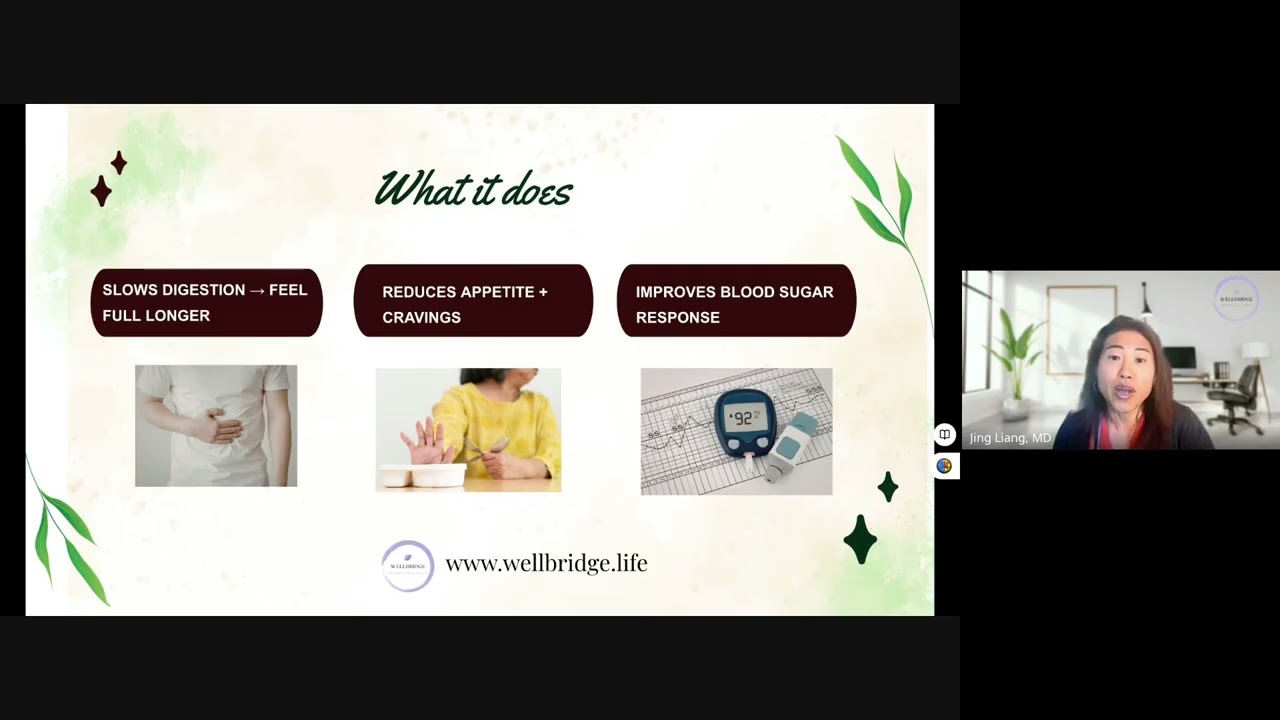
GLP-1 medications work by changing how your body responds to food. They slow down digestion, help you feel full sooner, reduce cravings, and improve blood sugar stability. For many people, this can quiet the constant pull toward food. That alone can feel life-changing.
For someone who has struggled with appetite regulation, blood sugar swings, or constant food noise, this can create space. It can make healthier decisions feel easier.
But it is important to understand what these medications do not fix.
They do not fix chronic inflammation. They do not rebuild muscle. They do not correct poor sleep, chronic stress, nutrient deficiencies, gut dysfunction, or a dysregulated nervous system. These things still matter, and in many cases they are part of why the body became metabolically unhealthy in the first place.
This is where people can get stuck.
The scale goes down. The labs may look better. But they do not necessarily feel better.
Sometimes they feel weaker. More tired. More depleted.
That is because weight loss is not always the same as healing.
If the body is losing muscle along with fat, that matters. Muscle is one of the strongest drivers of metabolism. It helps regulate blood sugar, supports strength and stability, and plays a major role in long-term resilience. If muscle mass drops too much, the body may become smaller but less capable.
That is not the goal.
When thinking about long-term health, there are a few things that still matter whether someone is using GLP-1 medications or not.
The first is internal health.
The body still needs enough protein, enough nutrients, healthy digestion, and enough variety in the diet to support the microbiome. Eating less does not automatically mean eating better. If someone is under-eating or lacking nutrient density, the body may become more stressed rather than more supported.
The second is movement.
Movement protects metabolism. It helps preserve muscle, supports joint health, and maintains strength. This does not have to mean intense workouts. For many people it starts with walking, stretching, and building consistency. Strength training becomes even more important during weight loss.
The third is nervous system regulation.
This is often overlooked. If the body is already running on stress, burnout, and poor recovery, adding appetite suppression without improving recovery can sometimes make things harder. The body needs to feel supported in order to adapt well.
Sometimes the first step is not pushing harder. Sometimes it is helping the body slow down enough to heal.
There are situations where GLP-1 can be a very useful tool. People with insulin resistance, type 2 diabetes, metabolic dysfunction, visceral fat, or significant food noise may benefit a lot. It can create momentum, and sometimes momentum is exactly what someone needs.
But there are also situations where more caution is needed. If someone is already under-eating, has low muscle mass, is highly stressed, or has a complicated relationship with food, this may not be the right starting point.
Timing matters.
The bigger question is not simply whether this will help you lose weight.
The better question is whether this will help your body become stronger, healthier, and more resilient over time.
That is a different conversation.
GLP-1 can absolutely be part of that conversation. But it should not replace the foundations. Your body still needs nourishment, movement, sleep, and recovery.
At the end of the day, the goal is not just to lose weight.
The goal is to help your body work better.